
Help for Heat-Stressed Landscapes
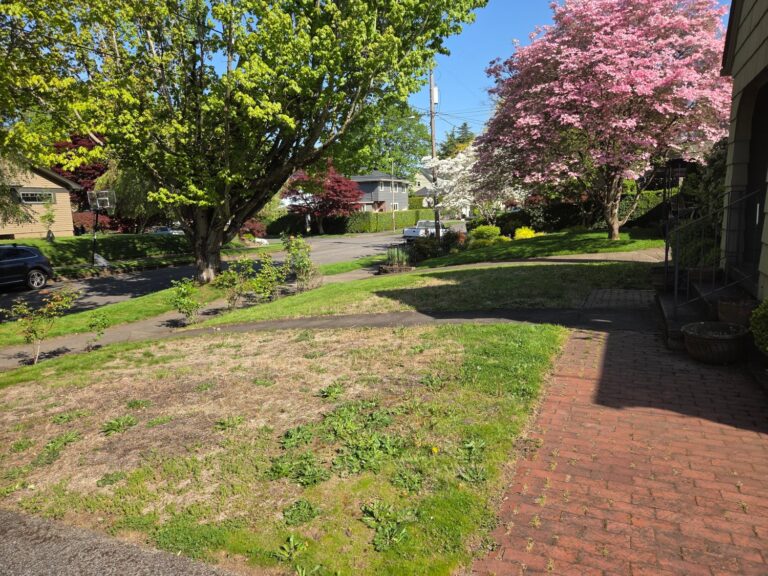
Come September, falling leaves, crisp days, and the return of rain may be the visions swirling in your head. Reality is, September in the greater Portland region looks a bit more browning dustbowl than colorful autumn. The hot and dry summer has taken its toll on area landscapes, leaving them parched, or, more critically, heat-stressed.
If your landscape is looking worse than usual for this time of year, contact Landscape East & West to evaluate your property for heat stress and help it bounce back.
Repairing Heat-Stressed Plants
Identifying heat stress is challenging. Homeowners often think their plants are fading because of underwatering, disease, or pests, but the answer isn’t always that simple. A classic sign of heat stress is when plants wilt or droop during the day but then perk up overnight.
Other visual cues of a heat-stressed plant include curling leaves, crispy leaf edges, flowers or fruit that drop prematurely, and scorched patches on stems, leaves, or fruit. And while you may not see these obvious signs on mature trees and shrubs, if other plants are heat-stressed, more than likely, they are too.
If our landscape team finds your landscape is heat-stressed, we’ll take action. Our priority is to get water to the thirsty roots as effectively as possible. Irrigation systems will be set to provide slow and deep watering, preferably in the morning. This will get water down to the plant roots and give the plant time to absorb it before it wilts in the heat of the day.
We’ll also add a few inches of organic mulch to keep the roots cooler and help slow evaporation. On the simpler side, we’ll move container plants to shadier areas and place shade cloth over plants that are particularly stressed.
We won’t prune damaged foliage or fertilize. Even damaged leaves are still providing some shade to a plant, and every bit helps. Since fertilizer encourages new growth, now is not the time to add it. We’ll wait until weather conditions improve. We also will take care not to overwater, as oversaturated soil can cause root damage and other issues.
Preventing Landscape Heat Stress
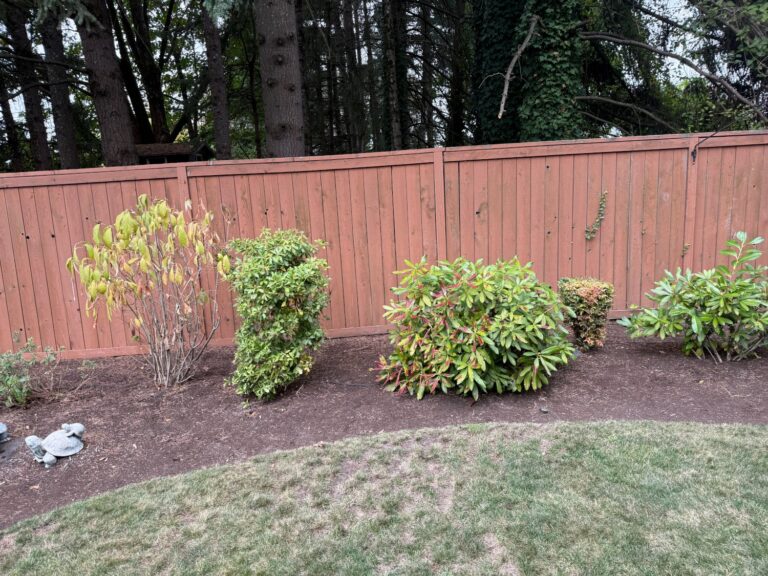
Our dry, hot summers aren’t unusual, so we factor that into our landscape plans. Preventing heat stress from the start is easier than healing a damaged yard. Our landscape designers can create beautiful low-water gardens that don’t resemble a desert landscape. The key is choosing plants that are adapted to our summer weather conditions and grouping plants according to their water needs.
A few of our favorite drought-tolerant plants: Oregon grape, Oceanspray, and Red-flowering currant for borders; Lavender, Yarrow, and California poppies for flowering plants; and native grasses like Blue Fescue or Prairie dropseed for movement and texture.
While we can adjust mowing height and watering schedules for lawns, if the grass turns brown, it may be time to consider some lawn alternatives. Our preferred landscape is layered vegetation, from trees to shrubs to flowering perennials, then ornamental grasses, and finally mulch. For watering efficiency, we group plants with similar water needs and adjust the irrigation system accordingly.
The critical pieces of designing a drought-tolerant landscape and avoiding heat stress are soil and irrigation. Mulch should be placed in planting beds but kept away from trunks and plant crowns. Drip or low-volume irrigation is best for planting beds, using more water as plants develop deeper roots, then scaling back. However, recognize that even drought-tolerant plants need water.
If the thought of watching your plants suffer through another summer is too depressing for you to consider, why not turn to hardscapes? You don’t have to pave over everything, but a covered area can offer a cool place for plants to thrive. A patio and path can add function and interest to your overall yard. A dry streambed can add a natural look and feel without needing constant care. There are alternatives to flower beds, raised gardens, and lawns that will provide the beautiful and comfortable outdoor space you crave, without the distress of heat stress.
When your yard needs help or even well before it does, contact us. We offer a free consultation to start your landscape on the road to recovery.
