
Enjoy a Pest and Weed-Free Summer
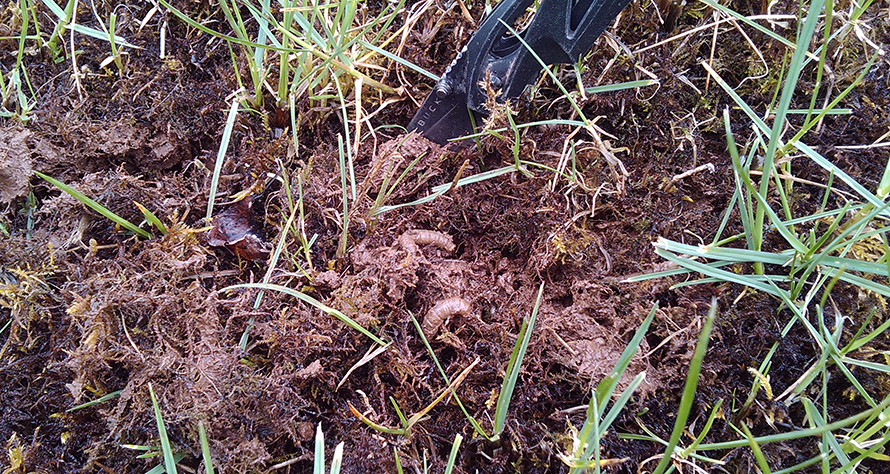
This time of year is one of the most important for both weed and pest prevention and early intervention. By acting now, before pests and weeds take over, you can avoid the need for heavy chemical treatments or other drastic measures.
Unsure what to do? Contact our experienced professionals at Landscape East & West, who know the difference between weeds and native flowers, and can identify which plants are vulnerable to pests.
Rising temperatures encourage many weeds to germinate, so we take time each visit to pull or dig any weeds we see while they’re still small. Crabgrass, oxalis, and even those dandelions with which some have a love-hate relationship, will spread fast if left untouched.
Layering mulch around trees, shrubs, and flower beds can also suppress weeds and help conserve moisture and moderate soil temperature as the hot, dry summer takes hold. Our final recommendation is to densely fill garden spaces with desirable plants and ground cover, giving weeds less room and sunlight to grow.
Another place where weeds are highly visible is lawns. To keep them at bay, we mow regularly, being careful not to chop too short, since a healthy turf naturally crowds out the weeds. Just like you, we like a dense and lush lawn that entices some good old-fashioned outdoor playtime.
Weeds, and maybe your cousins from Sheboygan, are not summer’s only unwelcome guests. This time of year, pests come crawling to turn your prized garden into their personal buffet. Just like with weeds, early action will reduce the negative gnawing impacts.
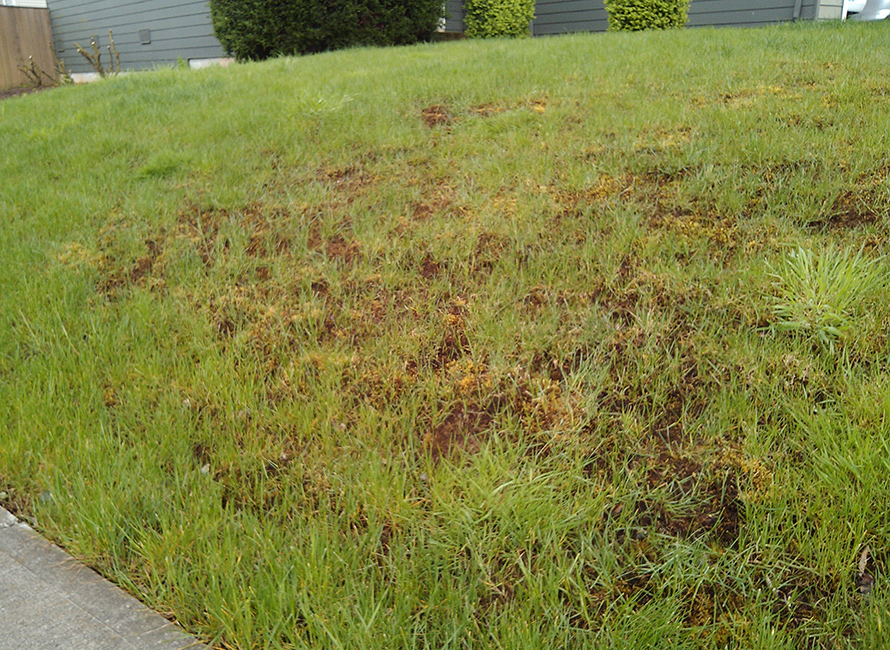
Common summer pests we see on plants include aphids, spider mites, beetles, and caterpillars. These pests should not be confused with beneficial insects like ladybugs and lacewings. Knowing the difference between the good and bad insects is our job, as is knowing the right control methods to use that won’t harm the insects that do good work.
Here’s our plan of action. First, we inspect your plants on our weekly visits, keeping an eye out for chewed leaves, discolored foliage, sticky residue, or a telltale sign: clusters of insects on stems and leaves. Trees and shrubs are also on our inspection list. Unusual leaf drop, boring holes, and material around the base of trunks that looks like sawdust can be signs of an infestation and the need for control methods.
When pests show up, we like to use a combination of methods to create conditions in your landscape that favor your plants and make life harder for pests. Planting flowers like alyssum, yarrow, and dill, along with native wildflowers, will welcome the beneficial bugs that are natural predators of common garden pests.
When there’s no choice but to eradicate your landscape’s pests, we offer a full array of natural, organic pest control solutions that we can customize to meet your goals. Whether insecticidal soaps, mineral oil sprays, or dormancy applications, we’ll provide you with a full accounting of what’s in the products we’re using before we pull the trigger.
Now is the time to take action to ensure you’re not sharing your outdoor living space with weeds and pests. Contact us to schedule a visit. Your yard should be your oasis, not a place to worry about.
