
250 Years of Bountiful and Beautiful Backyards
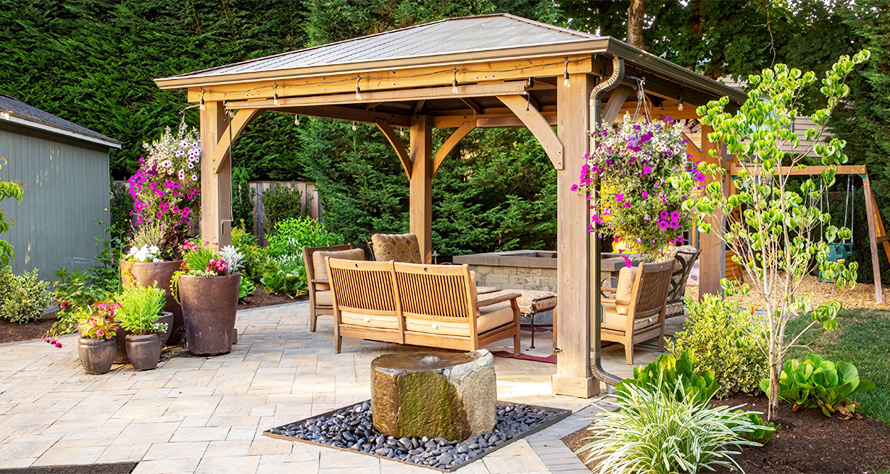
As our country enters its 250th year, it’s a good time to take a look back at how the American yard has transformed through the ages. Exploring which concepts survived and which trends disappeared into the past can give us a clue about what the future landscape may hold.
The purpose of the American yard has evolved alongside the country’s history, shifting from a space for survival to one for recreation, beauty, and environmental awareness. Along the way, these changes created the need for professional landscapers, and while Landscape East & West hasn’t been around for centuries, we do have decades of experience and insight.
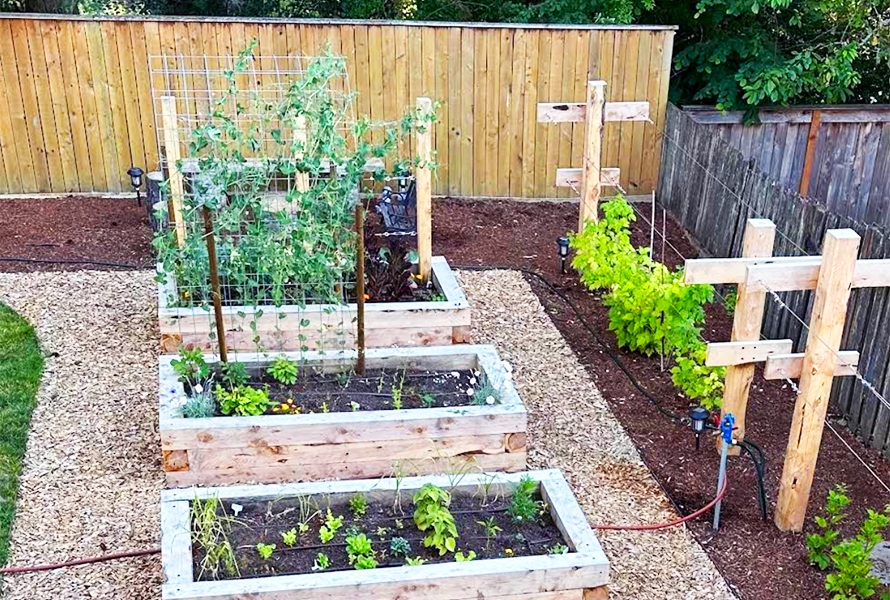
Starting at the beginning, in the late 1700s, most Americans lived on farms or in rural communities. Every piece of land around the home served a practical purpose. Families grew vegetables, herbs, and fruit trees and raised chickens, pigs, and cows to feed themselves. Flower gardens were uncommon unless they provided medicinal herbs or attracted pollinators. A neatly trimmed lawn would have been considered a waste of valuable land and truly a maintenance nightmare.
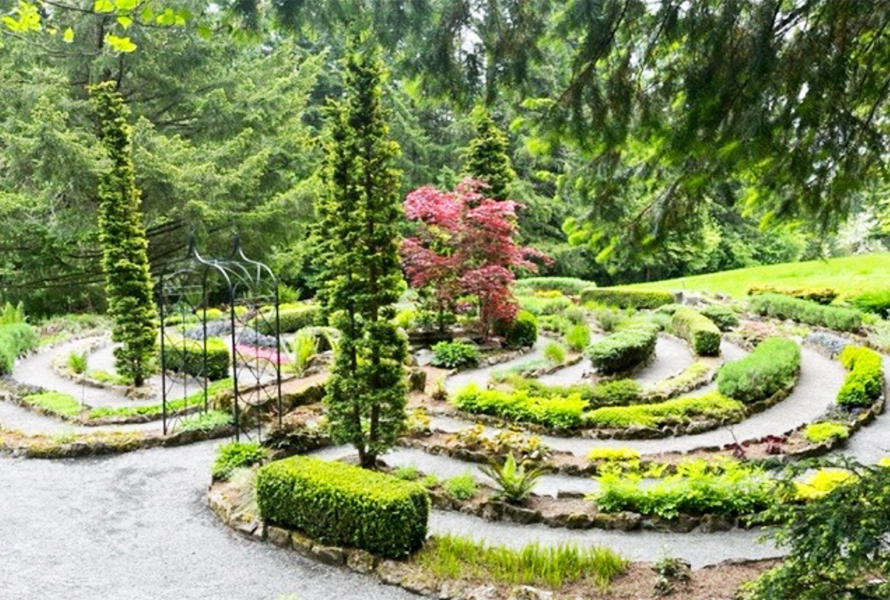
During the 1800s, as towns and cities grew, yards slowly became more than just places to work. Wealthier homeowners, inspired by what they’d seen on trips to Europe, began to add decorative trees, flowering shrubs, and winding pathways. With the invention of the mechanical lawnmower, lawn maintenance became easier for those who could afford it. Large grassy lawns became a symbol of wealth, order, and civic pride, and consequently were embraced by middle-class families. Homeowners started seeking advice from gardeners and estate caretakers who specialized in designing and maintaining attractive landscapes.
By the late 1800s, landscape architecture had emerged as a recognized profession. Sometimes called the father of landscape architecture, Frederick Law Olmsted, designer of Central Park in New York City, demonstrated how carefully planned outdoor spaces could improve neighborhoods and public life. Olmsted’s parks and planned communities inspired homeowners to think more intentionally about their own yards. Professional gardeners and landscape designers became increasingly common for large estates, while nurseries expanded their services by helping homeowners choose trees, shrubs, and ornamental plants.
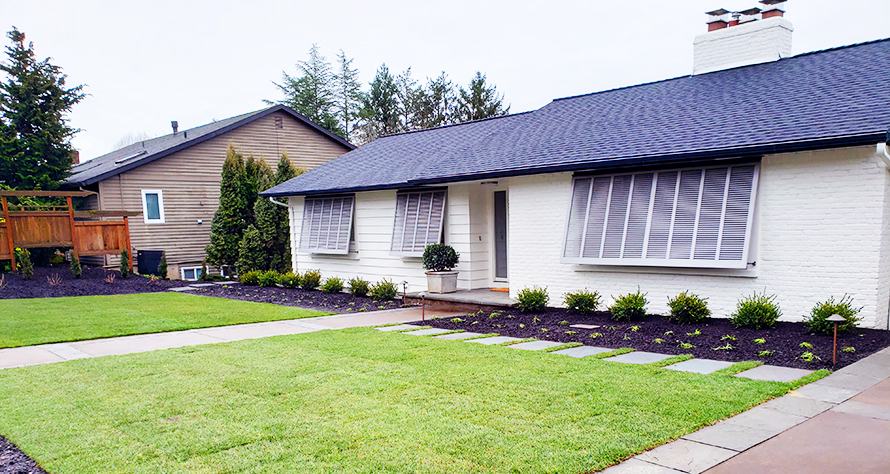
The real demand for professional landscapers grew after World War II. Suburban neighborhoods expanded rapidly during the 1950s and 1960s, and those millions of new homes were built with front and back lawns. Homeowners wanted attractive yards but often lacked the time, equipment, or expertise to maintain them. This created a booming lawn care and landscaping industry to manage design, irrigation, planting, pruning, and all the other maintenance needed to create a beautiful landscape. The hard part was choosing the right landscaper.
During this same period, homeowners realized they wanted to use these beautiful new yards for recreation and relaxation. Patios, barbecue areas, playgrounds, and ornamental gardens became popular features. Outdoor lighting appeared to extend the time that could be spent in the yard. Landscapers were no longer hired simply to mow grass; they were designing outdoor living spaces that added beauty, comfort, and value to a home.
Today, the role of the landscaper continues to evolve, although in some ways our work is returning to its roots as modern homeowners are increasingly interested in sustainable landscaping, native plants, pollinator-friendly habitats, and low-maintenance solutions. Not to mention the increasing number of chicken coops and beehives. Professional landscapers now combine traditional landscape design skills with knowledge of environmental science, irrigation technology, drainage, and climate-resilient planting. The benefits of hiring a professional landscape company are that they help homeowners create outdoor spaces that are both beautiful and environmentally responsible.
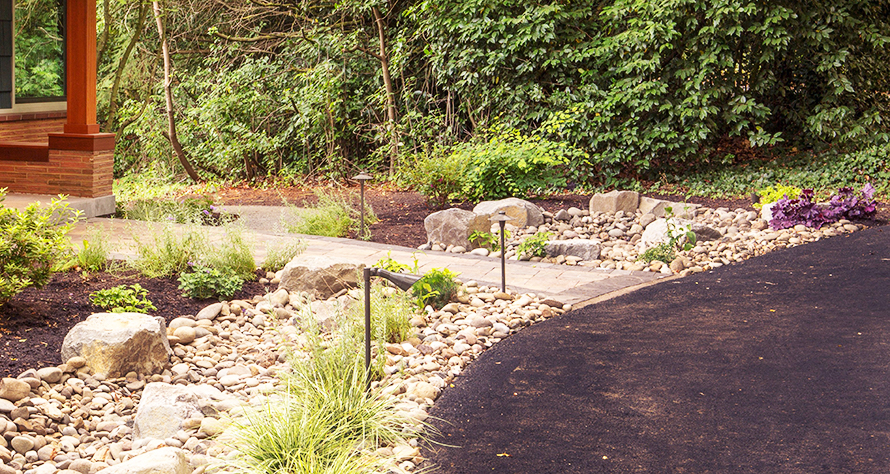
The American homeowner’s yard tells the story of changing lifestyles and priorities. What began as land devoted to survival gradually became a symbol of pride, a place for family recreation, and now, increasingly, an opportunity to support environmental stewardship.
As yards have grown more complex in both design and function, professional landscapers have become an essential part of creating and maintaining outdoor spaces that meet the needs of modern homeowners. Looking ahead, American landscapes will likely continue to evolve, blending beauty, functionality, and sustainability for generations to come. At Landscape East & West, we’re ready to handle whatever the future holds for your home’s landscape. Give us a call and let’s get started.
